What should happen after a lone worker alert is received?
The direct answer is simple: a lone worker alert should be treated as a possible emergency until someone has confirmed the worker is safe. The first priority is to make contact, establish location, and start the right response path without delay. A man down alarm is not a nuisance signal to park in a queue. It is a prompt to check whether a person may be hurt, trapped, confused, or unable to move.
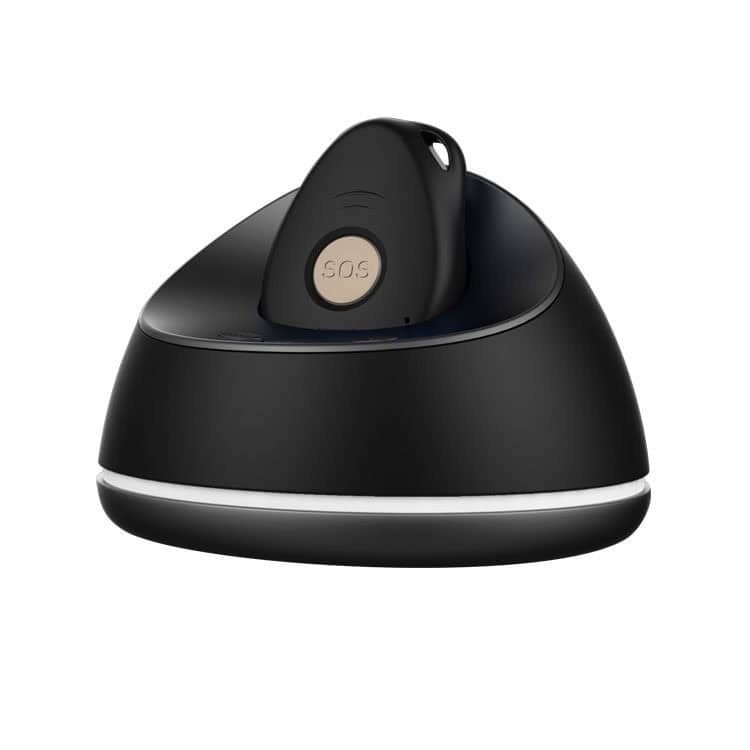
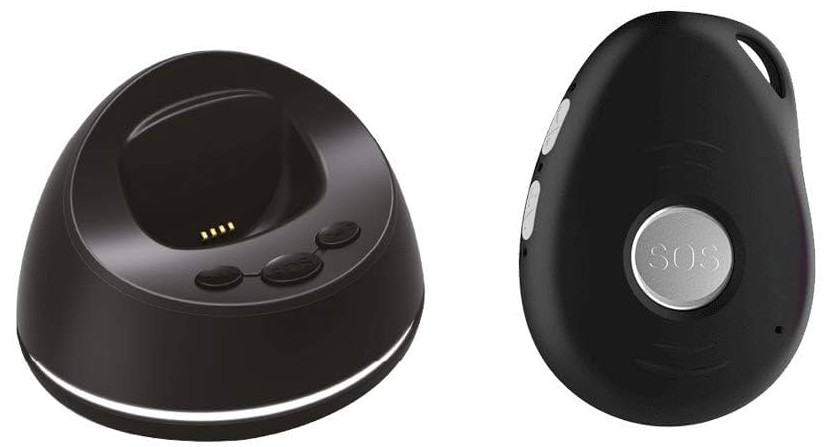
In a New Zealand workplace context, wearable lone worker alarms may provide SOS, GPS location, two-way voice, man down and fall detection alerts. Those features only help when the alert leads to a clear human response. The device, the monitoring point, the emergency contact, and the workplace procedure all need to connect. If one link is weak, the alert may arrive but little useful action follows.
Confirm what the alert is actually saying
Not every alert carries the same meaning. An SOS press usually means the worker could speak or act at the moment they sent it. A fall alert may suggest a sudden impact. A no motion alert may mean the worker has stopped moving for longer than expected. Man down detection is different again: it can indicate that a person is upright one moment and horizontal or still the next, but it does not prove that they are unconscious or injured.
That distinction matters. A response team should not assume the worst in every detail, but they should not assume the worker is fine either. The safest approach is to begin with a fast, structured check. What type of alert came through? When did it arrive? What location was supplied? Is location current, approximate, or missing? Does the worker have a history of setting off similar alerts during normal work?
GPS location can be highly useful, especially for workers in yards, rural sites, car parks, plant rooms, or remote parts of a facility. It can also be imperfect. Buildings, steep terrain, dense trees, and poor signal can affect location accuracy. An indoor worker may be shown near the correct building but not the correct floor or room. Anyone responding needs to understand that the map is a starting point, not a guarantee.
Make contact early and keep it simple
The next move is to attempt two-way voice or another available contact route. If the worker answers, keep questions short and practical. Are you safe? Are you injured? Can you move? Are you indoors or outdoors? Is there any immediate danger? Clear answers help the responder decide whether to stand down, arrange help, or escalate.
If there is no answer, that silence is useful information but not proof of an emergency. The responder should try again through any other available channel while starting the site-specific escalation process. Repeated unanswered calls, poor audio, or a worker who sounds confused should raise concern. A person who has fallen may be unable to reach a phone, may be in pain, or may not realise where they are.
Two-way voice can reduce guesswork when it works. It can also reveal limitations. Background noise, low battery, weak coverage, or a worker wearing gloves may make communication harder. Procedures should account for that rather than relying on a perfect conversation every time.
Start the right escalation path
Escalation should be set out before the alert happens, not invented under pressure. A workplace might nominate an internal first responder, a supervisor, a nearby buddy, or an external emergency service depending on the risk and location. The important point is that everyone knows who acts first, who backs them up, and when emergency services are called.
A practical escalation path often considers the worker's role, the site hazards, the time of day, and whether the location is secure. For example, a worker in an isolated area after hours may need a faster external response than someone in a busy workshop where colleagues can check nearby. A worker who handles public-facing duties may face a different risk profile from someone inspecting quiet plant areas.
Alert escalation should also include a clear rule for contact failure. If the worker cannot be reached and the location suggests real risk, the response should move quickly. Waiting for a perfect confirmation can cost time. At the same time, sending someone into an unsafe area without planning can create a second incident. The response needs urgency and care together.
Use the workplace risk assessment
A risk assessment gives responders context that an alert alone cannot provide. It can identify why a worker is alone, what hazards are present, and what response is reasonable. It should also reflect the actual work, not just a generic office assumption.
Useful context includes the tasks being performed, the layout of the site, access points, known communication blind spots, nearby hazards, and whether the worker is expected to be moving or stationary. An inactivity timer may be normal during a desk-based task but less reassuring during manual work in an isolated area. Impact detection may carry more weight where slips, trips, or uneven ground are part of the job.
The risk assessment should also decide when a man down alarm requires immediate emergency service involvement. That decision is easier to make in advance. In the moment, people can hesitate if they are unsure whether they are authorised to call for help. Clear thresholds remove that hesitation.
Record what was seen and heard
Good records help after the immediate response. They also help improve future procedures. A basic log can capture the alert time, alert type, location shown, contact attempts, responses received, decisions made, and outcome. Notes should be factual and brief. Avoid writing assumptions as facts. If the location was uncertain, say so. If the worker denied being injured, record that response rather than adding interpretation.
Records can reveal patterns. Repeated alerts during a certain task may suggest that a device setting needs review. Alerts with delayed responses may show that contact routes are unclear. Location problems in one part of a site may prompt a review of coverage or checking arrangements. This is not about blame. It is about making the system more reliable for the next event.
Privacy also matters. Location and alert data can be sensitive. Access should be limited to people who need the information for safety, response, or review. Retention should follow the workplace's policy and relevant obligations. A clear approach builds trust and reduces confusion about why information is collected.
Review the event without losing the human focus
After the worker is safe, the review should ask whether the response worked. Did the alert reach the right person? Was the location useful? Could two-way voice be established? Did anyone hesitate over who should act? Were emergency services contacted quickly enough where needed? Were colleagues clear about their role?
The review should also consider the worker's wellbeing. A false alarm can still be stressful, especially if it leads to a urgent response. A genuine incident may need follow-up beyond first aid or medical care. Workplace processes should allow time to check that the person feels supported and understands what happens next.
Training is where many procedures become practical. People need to know what different alerts mean, how to respond, and when to escalate. Short refreshers can be more useful than a long document that nobody opens. Scenario practice can expose gaps, such as an after-hours contact list that is out of date or a responder who does not know how to interpret a location pin.

What a strong response feels like in practice
A strong response is not complicated. It is fast, calm, and documented. The alert is acknowledged. Contact is attempted. Location is checked against the worker's task and site. Escalation begins if answers are missing or concerning. The worker is not left wondering whether anyone saw the alert. The response team does not guess wildly or wait passively.
The goal of wearable lone worker alarms is not simply to generate alerts. It is to shorten the gap between a person being in trouble and someone taking useful action. That gap depends on technology, yes, but also on clear rules, practiced people, and careful review after each event.
When a man down alarm arrives, the right mindset is cautious and decisive. Treat the signal as meaningful, gather what the alert can tell you, make contact, escalate without hesitation when needed, and learn from the outcome. That is how a safety tool becomes part of a working safety system rather than a device that merely makes noise on a screen.